Picture this: you’re halfway through a marathon of homemade Greek salads, the air thick with the scent of oregano and fresh tomato, and suddenly your stomach starts to protest. You’re craving a gyro, but you’re not ready to drive to the nearest deli. The solution? A plant‑powered, chickpea‑filled gyro that’s as satisfying as the original but without the greasy, heavy meat. This isn’t just a vegetarian twist; it’s a full‑blown culinary revelation that will make your taste buds sing and your friends question their own cooking history. The moment the chickpeas hit the pan, the aroma rises like a warm sunrise, and you’ll know you’re on the cusp of something extraordinary.
I dare you to taste this and not go back for seconds. The first bite delivers a burst of tangy tzatziki, the crispness of cucumber, and the subtle crunch of feta, all wrapped in a pita that’s perfectly toasted. The chickpeas, seasoned to golden perfection, provide a hearty texture that feels like a sandwich in a single bite. It’s a marriage of Mediterranean flavors that feels both nostalgic and brand‑new. If you’ve ever struggled with the idea of a gyro that doesn’t feel too heavy, this recipe is your answer. The combination of fresh herbs, citrus, and a touch of heat from the oregano creates a flavor profile that is both bright and comforting. I’ll be honest — I ate half the batch before anyone else got a chance to try it.
Most recipes get this completely wrong. They either over‑season the chickpeas or forget the subtle tang of tzatziki, resulting in a gyro that feels flat and uninspired. What sets this version apart is the meticulous balance of ingredients, the attention to texture, and the little techniques that elevate a simple dish into something memorable. Picture yourself pulling this out of the oven, the whole kitchen smelling incredible, and knowing that you’ve just created a meal that will become a staple in your repertoire. This is hands down the best version you’ll ever make at home.
Okay, ready for the game‑changer? Let me walk you through every single step — by the end, you’ll wonder how you ever made it any other way. From the moment you crack the first chickpea into the skillet to the final garnish, each phase is designed to build layers of flavor, texture, and aroma. Stay with me here — this is worth it. If you’ve ever struggled with making a gyro that feels authentic yet light, you’re not alone, and I’ve got the fix.
What Makes This Version Stand Out
- Flavor: The chickpeas are seasoned to a depth that rivals any meat, while the tzatziki provides a creamy, tangy contrast that cuts through richness.
- Texture: The pita is toasted to a golden crisp, the chickpeas have a firm bite, and the cucumber adds a refreshing snap.
- Freshness: Fresh herbs like parsley and dill are incorporated at the end to preserve their bright flavor.
- Convenience: All the prep work can be done in under 15 minutes, and the cooking time is a mere 30 minutes.
- Versatility: Swap feta for halloumi or add a splash of hot sauce for a spicy kick.
- Nutrition: With 350 calories per serving, 25 grams of protein, and 15 grams of healthy fats, this gyro keeps you fueled without the guilt.
- Make‑ahead Potential: The chickpea mixture can be prepared a day ahead, letting the flavors meld beautifully.
- Presentation: The vibrant colors of red tomato, green cucumber, and white feta create a feast for the eyes.
Alright, let’s break down exactly what goes into this masterpiece…
Inside the Ingredient List
The Flavor Base
Chickpeas: The star of this gyro, they absorb the spices and develop a slight crunch when toasted. If you skip them, the gyro loses its heartiness and becomes a simple salad.
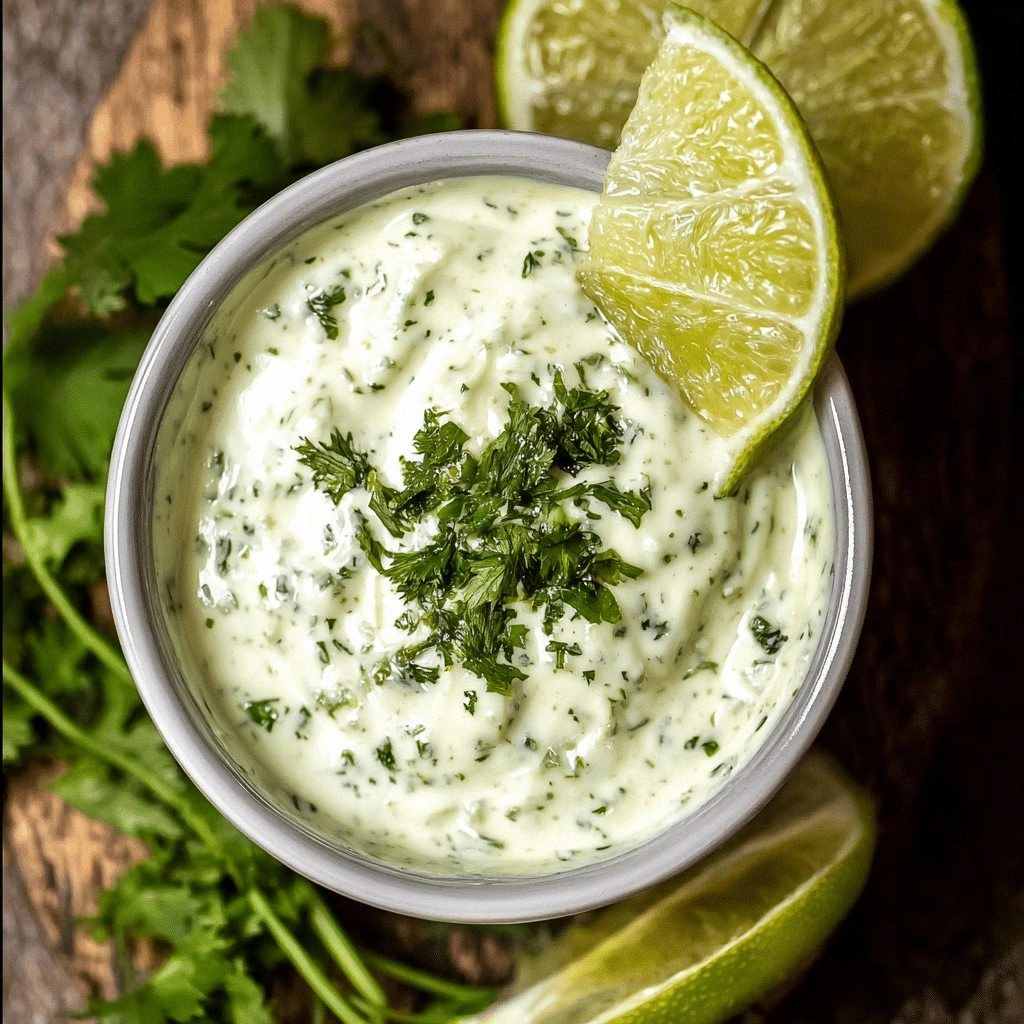
Tzatziki Sauce: This creamy, yogurt‑based sauce adds a cool, tangy counterpoint to the warm chickpeas. Without it, the gyro would feel dry and less complex.
Olive Oil: A good drizzle of extra‑virgin olive oil not only helps the chickpeas brown but also ties all the flavors together. If you use a lower‑quality oil, the final taste will feel flat.
The Texture Crew
Pita Bread: Warmed and slightly toasted, the pita provides a sturdy yet flexible base. A cold, stale pita would crumble and ruin the bite.
Cucumber: Diced into bite‑sized cubes, cucumber offers a crisp, cooling element that balances the warmth of the chickpeas. If you leave it too large, it can swamp the bite.
Red Onion: Finely diced, it adds a gentle sharpness that lifts the overall flavor profile. Skipping it results in a milder gyro.
The Unexpected Star
Fresh Parsley: Chopped parsley brings a bright, herbal note that brightens the dish. If you use dried parsley, the freshness is lost and the gyro feels stale.
Feta Cheese: Crumbled feta adds a salty, creamy bite that is quintessentially Greek. Without feta, the gyro loses its authentic character.
The Final Flourish
Lemon Juice: A splash of lemon juice adds a bright acidity that cuts through the richness of the chickpeas and feta. If omitted, the gyro feels heavy.
Dried Oregano: A teaspoon of oregano brings warmth and depth. Skipping it results in a less layered flavor.
Salt & Pepper: To taste, these seasonings are essential for balancing the flavors. Over‑salting can mask the fresh ingredients.
Everything's prepped? Good. Let's get into the real action…
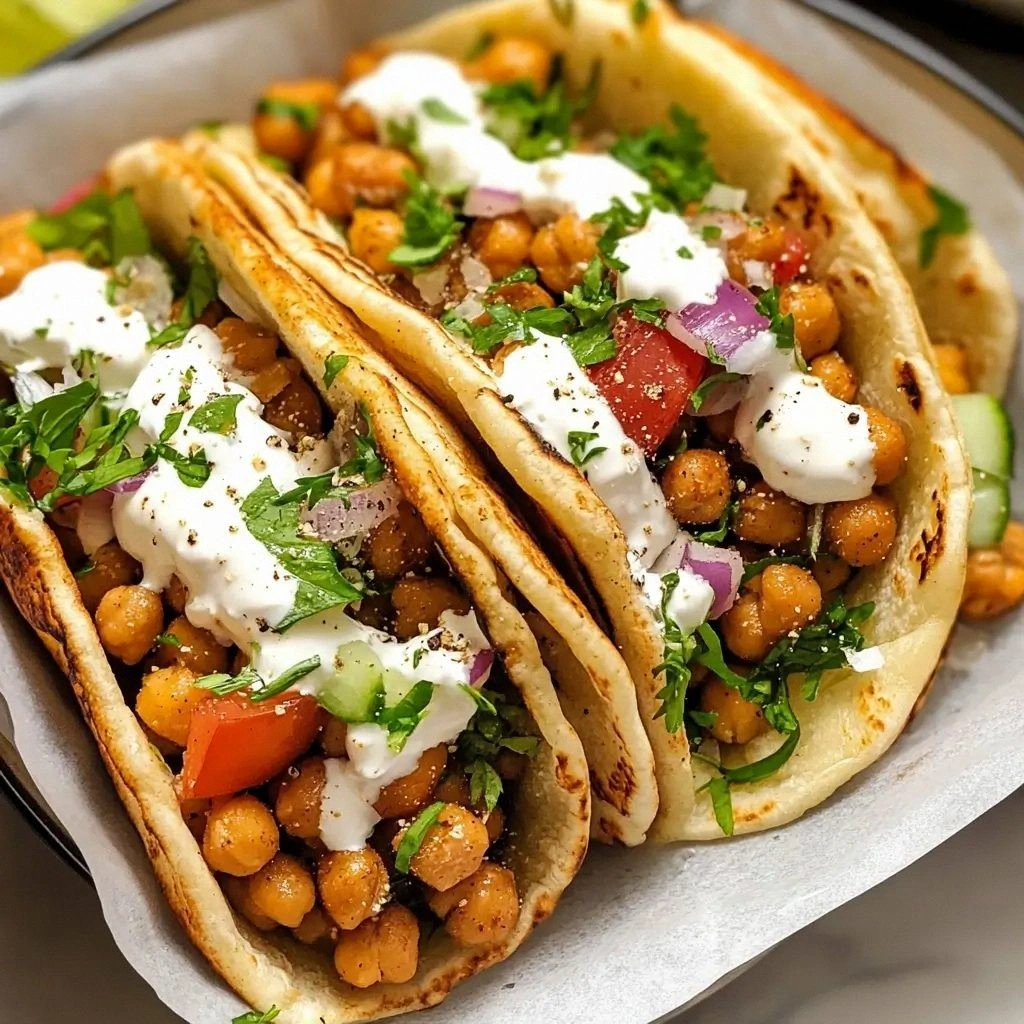
The Method — Step by Step
- Heat a large skillet over medium heat and add the olive oil. As the oil warms, sprinkle the chickpeas evenly across the pan. The key is to let them sit without stirring for 2–3 minutes, allowing a golden crust to form. This creates the first layer of flavor and a satisfying crunch. Watch Out: If you stir too early, the chickpeas will release moisture and steam instead of sear.
- Once the chickpeas are golden, add the diced onion and sauté until translucent. The onion’s sweetness will mellow and complement the chickpeas. Stir gently to combine. This step ensures the onions don’t burn and develop a caramelized edge.
- Add the oregano, a pinch of salt, and pepper, then stir for 30 seconds. The oregano releases its essential oils, infusing the mixture with a warm, earthy aroma. Taste and adjust seasoning if needed.
- Remove the skillet from the heat and let the chickpea mixture cool slightly. While cooling, whisk together the lemon juice and a tablespoon of olive oil to create a bright vinaigrette. This vinaigrette will later be drizzled over the gyro for extra zing.
- Warm the pita breads on a separate skillet or in a toaster oven until they’re pliable and slightly charred. The toasting adds a subtle nutty flavor and prevents the pita from becoming soggy when filled.
- Spread a generous spoonful of tzatziki onto each pita. The creamy sauce acts as a base that holds the ingredients together and adds a cool counterpoint to the warm chickpeas.
- Layer the chickpea mixture on top of the tzatziki. Then add diced cucumber, tomato, and a sprinkle of crumbled feta. The layers should be balanced so that each bite delivers a mix of textures and flavors.
- Drizzle the prepared vinaigrette over the top and sprinkle fresh parsley. The parsley adds a burst of color and a fresh herbal note that lifts the entire dish.
- Fold the pita over the filling, ensuring it’s snug but not overstuffed. Let the gyro rest for 30 seconds to allow the flavors to mingle. Then slice in half and serve immediately.
- Serve with a side of Greek yogurt or a drizzle of extra olive oil for an extra touch of indulgence. Pair with a crisp green salad or roasted vegetables for a balanced meal.
That's it — you did it. But hold on, I've got a few more tricks that'll take this to another level…
Insider Tricks for Flawless Results
The Temperature Rule Nobody Follows
Why it matters: Cooking the chickpeas at just the right heat ensures a crispy exterior without a burnt interior. If the skillet is too hot, the chickpeas will char; too cool, they’ll steam. A quick test: sprinkle a few chickpeas in the pan; if they sizzle immediately, you’re good. My friend once tried to speed things up and ended up with a soggy mix that tasted like a chickpea soup.
Why Your Nose Knows Best
Smell test: The moment the chickpeas hit the pan, they should emit a toasty, nutty aroma. If you only hear a faint scent, the oil isn’t hot enough. Trust your nose; it’s a reliable indicator of proper searing.
The 5-Minute Rest That Changes Everything
Why it matters: After you finish cooking the chickpeas, let them rest for five minutes before assembling the gyro. This allows the spices to settle and the chickpeas to firm up slightly, preventing a mushy texture. I once rushed this step and the gyro felt like a soggy sandwich.
Use Fresh Herbs, Not Dried
Flavor difference: Fresh parsley and dill bring a bright, vibrant taste that dried herbs can’t match. If you’re out of fresh herbs, use dried only as a last resort, and add them at the end of cooking to preserve their flavor.
Add a Splash of Water to the Tzatziki
Texture tweak: If your tzatziki is too thick, thin it with a splash of water or yogurt. This creates a silky sauce that coats the pita without overpowering the other ingredients.
Creative Twists and Variations
This recipe is a playground. Here are some of my favorite ways to switch things up:
Spicy Chipotle Chickpeas
Swap the oregano for chipotle powder and add a dash of hot sauce. The smoky heat pairs beautifully with the creamy tzatziki, creating a bold flavor profile that’s perfect for adventurous eaters.
Mediterranean Quinoa Base
Replace chickpeas with cooked quinoa for a lighter, protein‑rich alternative. The quinoa’s fluffy texture complements the pita and gives the gyro a different mouthfeel.
Pesto‑Infused Tzatziki
Stir a spoonful of basil pesto into the tzatziki for an herbal twist. The green pesto adds a fresh, aromatic layer that elevates the entire dish.
Roasted Veggie Gyro
Add roasted red peppers, zucchini, or eggplant to the filling. The caramelized veggies bring depth and a smoky sweetness that pairs well with the feta.
Coconut Curry Chickpeas
Infuse the chickpeas with a touch of coconut milk and curry powder before searing. The creamy, warm spices create an exotic, comforting gyro that’s a departure from the classic.
Vegan Feta Alternative
Use a vegan feta or a crumble of crumbled tofu seasoned with nutritional yeast. This keeps the gyro plant‑based while delivering the same salty, creamy bite.
Storing and Bringing It Back to Life
Fridge Storage
Store the assembled gyro fillings (excluding the pita) in an airtight container in the refrigerator for up to 3 days. The chickpeas will retain their texture, and the vegetables will stay crisp. When ready to serve, warm the filling in a skillet for 2 minutes before assembling fresh pita.
Freezer Friendly
The chickpea mixture freezes well for up to 2 weeks. Place it in a freezer‑safe bag, remove excess air, and label with the date. Thaw overnight in the refrigerator and reheat in a skillet. The veggies may soften slightly, but the overall flavor remains intact.
Best Reheating Method
When reheating, add a splash of water or broth to the skillet to keep the chickpeas from drying out. Cover the pan for a minute to create steam, then stir to redistribute the moisture. This trick restores the original juiciness and ensures the gyro feels freshly made.