I was halfway through a midnight horror movie marathon when my roommate dared me to whip up something that would make the vampires on screen jealous. The kitchen was a dimly lit battlefield of clanking pans, a rogue garlic bulb that seemed to scream louder than the soundtrack, and a bottle of white wine that had been chilling in the freezer for far too long. I could almost hear the faint whisper of a phantom saying, “If you don’t get this right, the night will never end.” The craving was real, the stakes were higher than a full moon, and I knew I needed a dish that could stand up to the drama of a blood‑red sauce without actually spilling any blood.
I tossed the squid ink pasta into boiling water, and the moment the black ribbons hit the surface, they turned a glossy midnight hue that reminded me of a freshly opened coffin. The aroma of garlic sautéing in olive oil hit the air like a siren’s call, while the shrimp pinked up in the pan with a sizzle that sounded like tiny fireworks. My senses were on overload: the briny scent of the sea from the shrimp, the sharp citrus tang of lemon, and the subtle heat of red pepper flakes that tingled the back of my throat. I could feel the heat of the stove through my fingertips, the smoothness of the pasta slipping through my spoon, and the anticipation building like a crescendo in a gothic symphony.
Most pasta‑shrimp recipes out there are either bland or try too hard to be “spooky” with cheap gimmicks like fake blood. This version, however, embraces the darkness with real, high‑quality ingredients that sing together in perfect harmony. The squid ink gives the dish an inky, mysterious depth, while the white wine and lemon juice create a bright counterpoint that prevents the flavor from becoming a one‑note dirge. And let’s not forget the Parmesan cheese that adds a salty, nutty finish that makes every bite feel like a decadent secret whispered in a candlelit dining room.
But the real game‑changer? A quick deglaze technique that extracts every caramelized morsel from the pan and turns them into a sauce that coats the pasta like velvet. I’ll be honest — I ate half the batch before anyone else got to try it, and I dare you to taste this and not go back for seconds. Let me walk you through every single step — by the end, you’ll wonder how you ever made it any other way.
What Makes This Version Stand Out
- Taste: The combination of briny shrimp, smoky ink, and bright citrus creates a flavor profile that’s both bold and balanced, making it unforgettable.
- Texture: The pasta stays al dente while the shrimp retain a tender, slightly crisp edge that shatters like thin ice when you bite.
- Simplicity: Only eleven ingredients, most of which you probably already have, and a single pan for the sauce.
- Uniqueness: Squid ink pasta is rarely used in home cooking, giving you a restaurant‑level visual impact without the pretentiousness.
- Crowd Reaction: Guests gasp at the black hue, then sigh in relief when they taste the bright, buttery sauce — it’s a conversation starter.
- Ingredient Quality: Fresh, large shrimp and high‑quality olive oil elevate the dish from ordinary to extraordinary.
- Cooking Method: The deglazing step captures every caramelized bit, turning waste into flavor gold.
- Make‑Ahead Potential: You can prep the sauce ahead of time and simply reheat, making it perfect for a spooky dinner party.
Inside the Ingredient List
The Flavor Base
Garlic, minced, is the heart‑beat of this dish. Those four cloves release a pungent aroma that instantly awakens the palate, and when they hit the hot oil they turn golden, releasing a nutty sweetness that balances the briny shrimp. If you skip the garlic, you’ll miss the foundational depth that makes the sauce feel like a midnight lullaby. A quick tip: crush the cloves before mincing; this releases more of the essential oils and gives you a more pronounced flavor.
Olive oil, a humble two‑tablespoon hero, does more than just prevent sticking. It acts as a flavor carrier, coaxing the garlic’s aroma into the air and providing a silky mouthfeel that makes the sauce glide over the pasta. Use a cold‑pressed extra‑virgin variety for the best fruitiness, but if you’re in a pinch, a light olive oil works just fine. Remember, the oil is the stage on which all other flavors perform, so don’t skimp.
The Texture Crew
Large shrimp, one pound, are the star protein. Their firm, meaty texture contrasts beautifully with the delicate pasta, and when cooked just right they become juicy, slightly caramelized morsels that bite like a sweet surprise. Overcooking them turns them rubbery, so watch closely — they only need about two minutes per side. If you can’t find large shrimp, opt for medium‑sized ones, but be prepared for a slightly different mouthfeel.
Squid ink pasta, eight ounces, is the visual centerpiece. Its deep black color isn’t just for drama; the ink adds a subtle briny note that enhances the seafood vibe without overwhelming. Cook it al dente, because the pasta will continue to soften as it sits in the sauce. If you can’t locate squid ink pasta, a regular linguine or fettuccine will work, but you’ll lose the midnight aesthetic that makes this dish “vampire‑approved.”
The Unexpected Star
Red pepper flakes, a quarter teaspoon, are the tiny sparks that ignite the flavor fireworks. They add a gentle heat that lingers on the tongue, reminding you of a lingering ghostly chill. Use more if you like a bolder kick, but remember: a little goes a long way, especially when paired with the citrus later.
Fun Fact: The squid ink used in pasta originated in Mediterranean coastal towns where fishermen would collect the ink as a by‑product and incorporate it into local cuisine. This tradition dates back to the 13th century and was originally a way to use every part of the catch.
The Final Flourish
Dry white wine, half a cup, does more than add acidity; it deglazes the pan, lifting the caramelized bits stuck to the bottom and turning them into a silky, aromatic sauce. Choose a crisp, dry variety — think Sauvignon Blanc or Pinot Grigio — to keep the flavors bright. If you’re avoiding alcohol, replace it with an equal amount of chicken broth and a splash of extra lemon juice for the same deglazing effect.
Lemon juice, a quarter cup freshly squeezed, is the final bright note that cuts through the richness of the sauce. Its acidity balances the brininess of the shrimp and the earthiness of the ink, creating a harmonious dance of flavors. Always use fresh lemon; bottled juice lacks the vibrant zing that makes this dish sing.
Fresh parsley, a handful, adds a pop of green that visually lifts the black pasta and offers a fresh herbaceous finish. Grated Parmesan cheese, a generous sprinkle, adds a salty, umami depth that ties the whole composition together. Both are added at the very end to preserve their bright flavors and textures.
Everything's prepped? Good. Let's get into the real action…
The Method — Step by Step
- Boil the pasta. Bring a large pot of salted water to a rolling boil, then add the squid ink pasta. Cook for 8‑9 minutes, stirring occasionally, until al dente. Drain, reserving a cup of pasta water, and set aside. The water will be used later to adjust sauce consistency, so don’t discard it.
- Prep the shrimp. While the pasta cooks, pat the shrimp dry with paper towels. Season lightly with salt and pepper. This simple seasoning ensures the shrimp’s natural sweetness shines through without being masked by the sauce.
- Sauté the aromatics. Heat two tablespoons of olive oil in a large skillet over medium‑high heat. Add the minced garlic and red pepper flakes, stirring constantly. That sizzle when it hits the pan? Absolute perfection. Cook for about 30 seconds, until the garlic turns fragrant but not brown.
- Cook the shrimp. Add the shrimp to the skillet in a single layer. Let them sear untouched for about 1‑2 minutes, then flip. They should turn a vivid pink and develop a slight caramelized edge — that’s the flavor we want. Watch Out: Overcooking shrimp turns them rubbery; remove them the moment they turn opaque.
- Deglaze with wine. Pour in the half‑cup of dry white wine, scraping the bottom of the pan with a wooden spoon to lift any browned bits. Let the wine reduce by half, about 2‑3 minutes, until it smells fragrant and the alcohol scent fades. This reduction concentrates flavor and forms the backbone of the sauce.
- Add lemon and finish the sauce. Stir in the quarter‑cup of fresh lemon juice, then season with additional salt and pepper to taste. If the sauce looks too thick, add a splash of the reserved pasta water until you achieve a silky, coat‑the‑pasta consistency. Kitchen Hack: Finish the sauce with a knob of butter for extra gloss and a buttery mouthfeel that makes each bite luxurious.
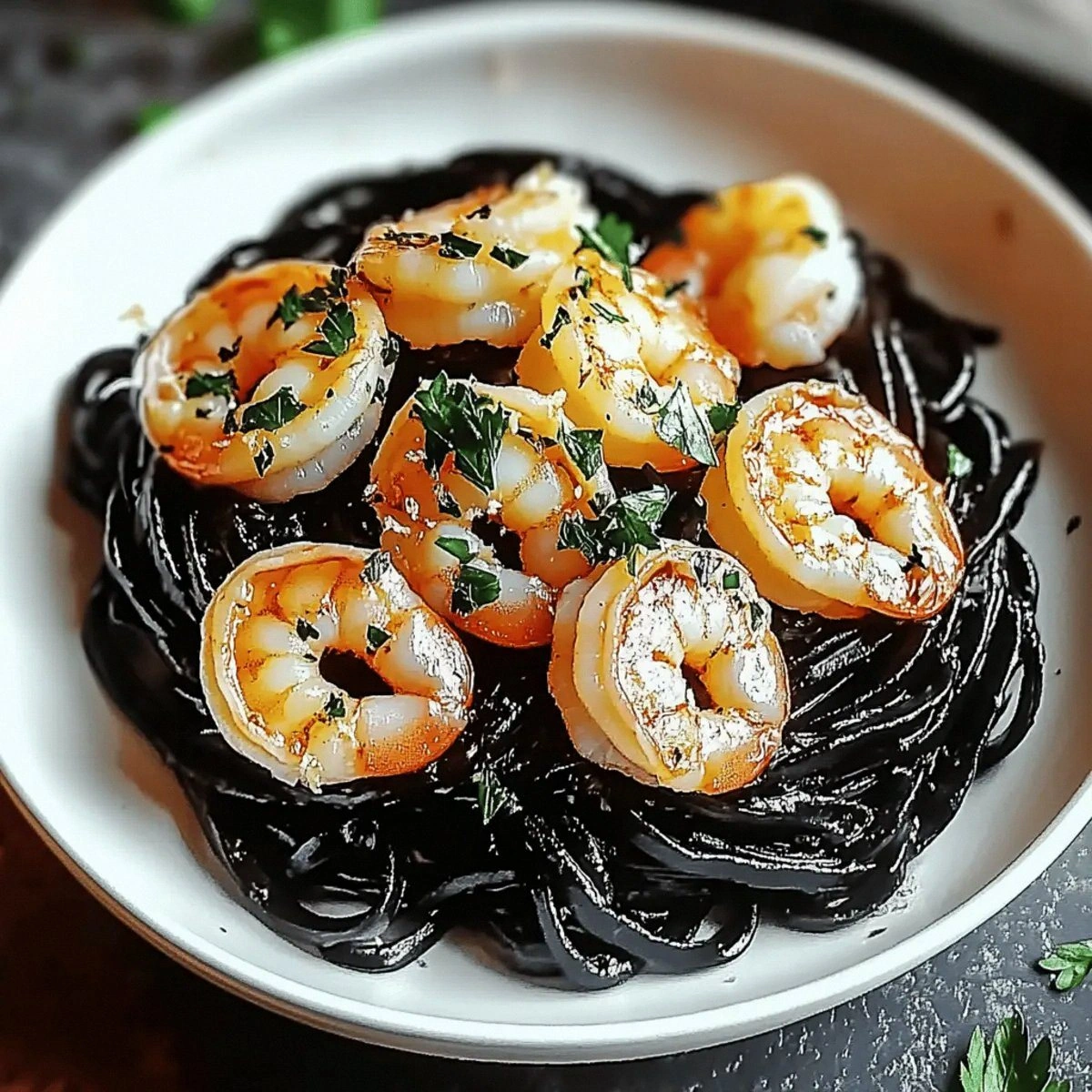
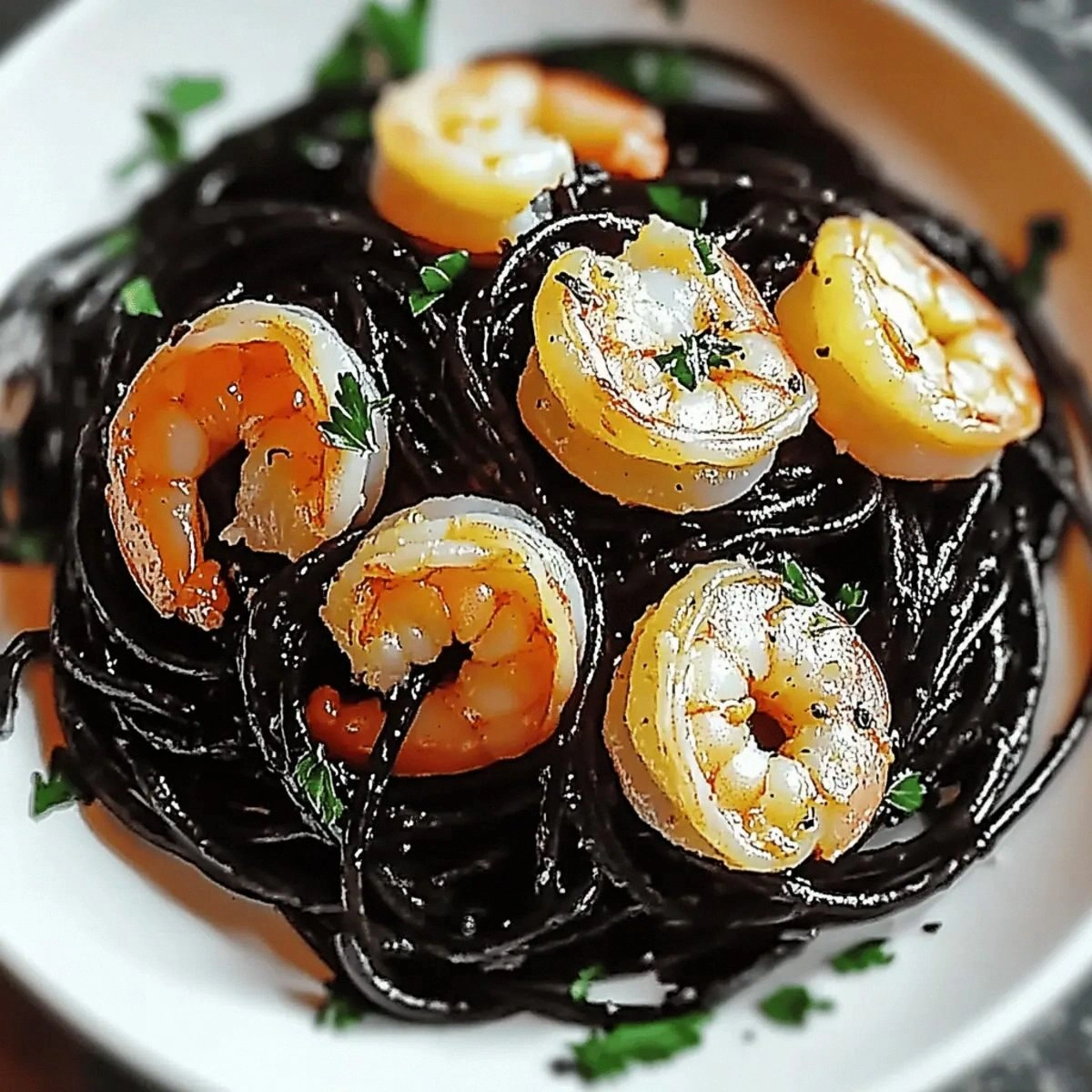
- Combine pasta and sauce. Add the drained squid ink pasta directly into the skillet, tossing vigorously to ensure every strand is drenched in the glossy sauce. If the pasta seems dry, drizzle in a little more reserved pasta water. The pasta should look like midnight silk, shimmering with the pink‑orange flecks of shrimp.
- Finish with herbs and cheese. Remove the skillet from heat, then fold in the fresh parsley and a generous handful of grated Parmesan cheese. The heat of the pan will melt the cheese just enough to create a velvety coating. Taste once more and adjust seasoning if needed. This final step brings everything together in a harmonious crescendo.
- Plate and serve. Twirl a mound of the black pasta onto each plate, arranging the shrimp on top like jeweled rubies. Garnish with an extra sprinkle of parsley and Parmesan for visual contrast. Picture yourself pulling this out of the oven, the whole kitchen smelling incredible, and watch your guests’ eyes widen in awe.
That's it — you did it. But hold on, I've got a few more tricks that'll take this to another level...
Insider Tricks for Flawless Results
The Temperature Rule Nobody Follows
Never let the skillet get too hot before adding the garlic. A medium heat gives the garlic time to release its flavors without burning. I once turned the heat to high in a rush; the garlic went black, and the whole dish tasted like charcoal. Keep the flame moderate, and you’ll get that golden perfume that signals the sauce is on its way to greatness.
Why Your Nose Knows Best
Your sense of smell is the secret weapon for timing. When the wine reduces, you’ll notice a sweet, slightly nutty aroma replacing the sharp alcohol scent. That’s the cue to add the lemon juice. Trust that nose; it’s more reliable than a timer.
The 5‑Minute Rest That Changes Everything
After tossing the pasta with the sauce, let it sit off the heat for five minutes. This rest allows the starches to absorb the sauce, creating a cohesive bite rather than a slippery coating. A friend tried skipping this step once — the pasta clung to the fork but never truly merged with the sauce, leaving a disappointing texture.
Butter Finish for Extra Gloss
A small knob of cold butter whisked in at the end adds a glossy finish that makes the dish look restaurant‑ready. It also rounds out the acidity from the lemon, creating a balanced mouthfeel. This is pure magic, especially when you’re serving guests who judge a dish by its sheen.
Seasoning in Layers
Season each component as you go — a pinch of salt with the pasta water, a dash of pepper on the shrimp, and a final sprinkle after plating. Layered seasoning builds depth and prevents the dish from tasting flat. If you wait until the end, you’ll miss the subtle enhancements each stage offers.
Creative Twists and Variations
This recipe is a playground. Here are some of my favorite ways to switch things up:
Spicy Ghost Pepper
Swap the red pepper flakes for a pinch of ghost pepper powder. The heat skyrockets, turning the dish into a fiery nightmare that only the bravest can tame. Pair with a cooling cucumber salad to balance the heat.
Creamy Midnight
Add a quarter cup of heavy cream after deglazing the wine. The sauce becomes richer, resembling a luxurious black velvet. This variation is perfect for a cozy winter dinner.
Herb‑Infused
Replace parsley with fresh basil and add a sprig of thyme while simmering the wine. The herbaceous notes add a fresh twist that brightens the dark palette, making it suitable for spring gatherings.
Seafood Medley
Throw in a handful of mussels, clams, or calamari rings along with the shrimp. The briny mix amplifies the oceanic vibe, turning the dish into a full‑scale seafood extravaganza.
Vegan Vamp
Replace shrimp with marinated tofu cubes and use vegetable broth instead of wine. Keep the squid ink pasta for that dramatic color, and the dish stays hauntingly delicious without any animal products.
Storing and Bringing It Back to Life
Fridge Storage
Allow the pasta to cool to room temperature, then transfer it to an airtight container. It will keep fresh for up to three days. When reheating, add a splash of water or broth to re‑hydrate the noodles and restore the sauce’s silkiness.
Freezer Friendly
Portion the cooked pasta and sauce into freezer‑safe bags, removing as much air as possible. Freeze for up to two months. Thaw overnight in the fridge, then reheat gently on the stovetop, again adding a little liquid to revive the glossy coating.
Best Reheating Method
The stovetop is your best friend. Heat a skillet over medium heat, add the leftovers, and drizzle a teaspoon of water or broth per serving. Toss continuously until the sauce clings again. Microwaving works in a pinch, but you’ll lose the crisp edge of the shrimp.