Picture this: a frantic kitchen, pots clanging, a half‑cooked spaghetti that’s already a little mushy, and a craving for something that feels like a hug in a bowl. I was in that exact spot last Tuesday, watching my own culinary disaster unfold. The spaghetti was overcooked, the sauce too watery, and the chicken still raw. I stared at the stove, thinking, “I can’t even finish this.” Then I remembered the one‑pot recipe my grandmother used to make during the holidays. That memory sparked an idea that would change how I cook forever.
That memory was a revelation. It reminded me that cooking doesn’t have to be a series of disjointed tasks; it can be a single, harmonious flow. I decided to pull every element of that grandmother’s dish and elevate it with modern flavors. The result? A silky, umami‑laden spaghetti that melts in your mouth while the chicken stays tender and juicy. This isn’t just another pasta recipe; it’s a culinary revelation that will make you question every other spaghetti you’ve ever made.
One of the most striking differences lies in the sauce. Instead of a simple tomato base, I infused it with soy sauce, oyster sauce, and a whisper of sesame oil to give it depth and a subtle sweetness. The chicken is cooked directly in the sauce, absorbing every flavor and staying moist. The noodles are added at the right moment, absorbing the broth without becoming soggy. The result is a dish that feels like a comforting hug with every bite.
Most recipes get this completely wrong, starting with a separate pan for the chicken, then adding the sauce, and finally tossing the pasta in a separate pot. That approach often leads to overcooked noodles or dry chicken. I discovered the secret to a perfect one‑pot: cook the chicken and aromatics first, then deglaze, add liquids, and finally the pasta, letting it simmer in the sauce. This simple change ensures each component reaches its optimum texture. The end product is a symphony of flavors and textures that dance together in perfect harmony.
I dare you to taste this and not go back for seconds. This is hands down the best version you'll ever make at home. If you've ever struggled with pasta that turns mushy or chicken that stays dry, you’re not alone — and I've got the fix. Picture yourself pulling this out of the pot, the whole kitchen smelling incredible, and knowing you’ve just created a masterpiece. Let me walk you through every single step — by the end, you'll wonder how you ever made it any other way.
Before we dive into the recipe, let’s talk about the tools that make a difference. A sturdy, heavy‑bottomed pot with a tight‑fitting lid is essential; it distributes heat evenly and prevents scorching. A long‑handled spoon or spatula allows you to stir without burning your fingers. And don’t forget a good chopping board and a sharp knife; the speed and safety of your prep will affect the final outcome. I’ll share a few hacks to make each step smoother, but the heart of the dish remains the same. Ready? Let’s start with what makes this version stand out.
Imagine the aroma of garlic sizzling in oil, followed by the sweet scent of onions caramelizing, and the tangy burst of tomatoes as they break down. That scent alone can turn a simple dinner into an event. I’ve spent years experimenting with flavor layers, and this dish is the culmination of that journey. The result is a sauce that coats the pasta like velvet, with a hint of umami that lingers on the tongue. It’s the kind of dish that makes you want to keep cooking, even when you’re already full.
Now, let’s talk about the one trick that sets this recipe apart: the “one‑pot” method. By cooking everything in a single vessel, you eliminate the need for multiple pans, reduce cleanup, and allow the flavors to meld together seamlessly. The trick is timing; each ingredient has a precise moment to enter the pot, ensuring nothing is overcooked or underseasoned. This method also means you can watch the entire process in one glance, which is both satisfying and reassuring. Trust me, once you master this technique, you’ll find it hard to go back to the old way.
Finally, consider the emotional payoff. When you serve this dish, you’re not just feeding bodies; you’re feeding memories and comfort. It’s the kind of meal that brings people together, sparks conversations, and creates lasting impressions. I’ve had friends and family come back for seconds, and some even asked for a recipe copy. That’s the power of a well‑crafted one‑pot pasta: it’s simple, delicious, and unforgettable. So let’s dive in and start cooking this masterpiece together.
What Makes This Version Stand Out
- Flavor Depth: The combination of soy sauce, oyster sauce, and a hint of sesame oil creates a layered umami profile that traditional tomato sauces can’t match. The sauce coats the pasta like velvet, leaving a lingering sweetness that balances the savory notes.
- Texture Harmony: Chicken is cooked in the sauce until tender, while the spaghetti stays al dente, giving each bite a satisfying contrast. The broth thickens slightly as the pasta cooks, turning the dish into a silky, cohesive unit.
- All‑in‑One Simplicity: One pot, one pan, and one cleanup. This method saves time, reduces dishes, and keeps the kitchen organized, perfect for busy weeknights.
- Ingredient Flexibility: Feel free to swap chicken for shrimp, pork, or tofu. The sauce adapts, making the recipe versatile for any dietary preference.
- Make‑Ahead Friendly: The dish retains its flavor when reheated, making it an ideal meal prep option for the next day or for a quick lunch.
- Visual Appeal: The bright red tomatoes, vibrant green peas, and golden pasta create a feast for the eyes before the first bite. The dish looks as good as it tastes.
- Health‑Focused: Using lean chicken and a moderate amount of oil keeps the dish balanced, while the veggies add fiber and antioxidants.
- Family‑Friendly: The flavors are mild enough for kids yet complex enough for adults, making it a crowd‑pleaser at any gathering.
Inside the Ingredient List
The Flavor Base
Onions, garlic, and bell pepper form the aromatic foundation of this dish. They release sweetness and depth as they soften, creating a savory backdrop that carries the sauce. Skipping any of these will leave the dish feeling flat and one‑dimensional. If you’re allergic to onions, a small amount of leeks can serve as a suitable substitute. The key is to let them caramelize gently before adding the liquids.
Next, the sauces—soy sauce, oyster sauce, and sesame oil—inject a complex umami punch. Soy sauce brings saltiness and depth, oyster sauce adds a subtle sweetness and thickness, while sesame oil lends a nutty aroma that lingers. Together, they form a sauce that is both rich and balanced. If you’re looking for a gluten‑free version, simply replace the soy sauce with tamari.
The Protein Power
Boneless skinless chicken thighs are the star of the show. Their higher fat content keeps the meat juicy and flavorful during the simmering process. If you prefer a leaner option, skinless chicken breasts work fine, but be careful not to overcook them. For a vegetarian twist, tofu cubes can be added at the same stage as the chicken to absorb the sauce.
Season the chicken with a pinch of salt and pepper before browning. This step locks in moisture and ensures an even sear. The chicken also adds a savory body to the broth, making the sauce more substantial. The protein’s texture is central to the dish’s comforting feel.
The Pasta & Liquid Fusion
Spaghetti is the classic choice, but you can experiment with penne or fusilli for a different mouthfeel. The pasta should be added after the liquids have come to a gentle simmer, allowing it to absorb flavors without becoming mushy. Adding the pasta too early can cause the sauce to become overly thick. The noodles should finish cooking in the sauce, not in a separate pot.
Chicken broth and crushed tomatoes combine to create a flavorful base that the pasta soaks up. The broth adds depth, while the tomatoes provide acidity and color. The ratio of broth to tomatoes is key; too much broth will dilute the flavor, too much tomato will make it overly acidic. A pinch of sugar balances the acidity and rounds out the sauce.
The Final Flourish
Frozen peas add a pop of color and a burst of sweetness that contrasts the savory sauce. They also provide a quick source of fiber and vitamins. Adding them in the last few minutes preserves their bright green hue and tender texture. If peas are not on hand, a handful of chopped spinach or kale works wonderfully.
Fresh parsley or cilantro is tossed in at the very end for a fresh, herbaceous finish. The herbs brighten the dish and add a layer of complexity. A splash of sesame oil right before serving enhances the nutty undertones. Finally, a squeeze of fresh lemon juice can add a bright finish that lifts the entire dish.
Everything’s prepped? Good. Let’s get into the real action.
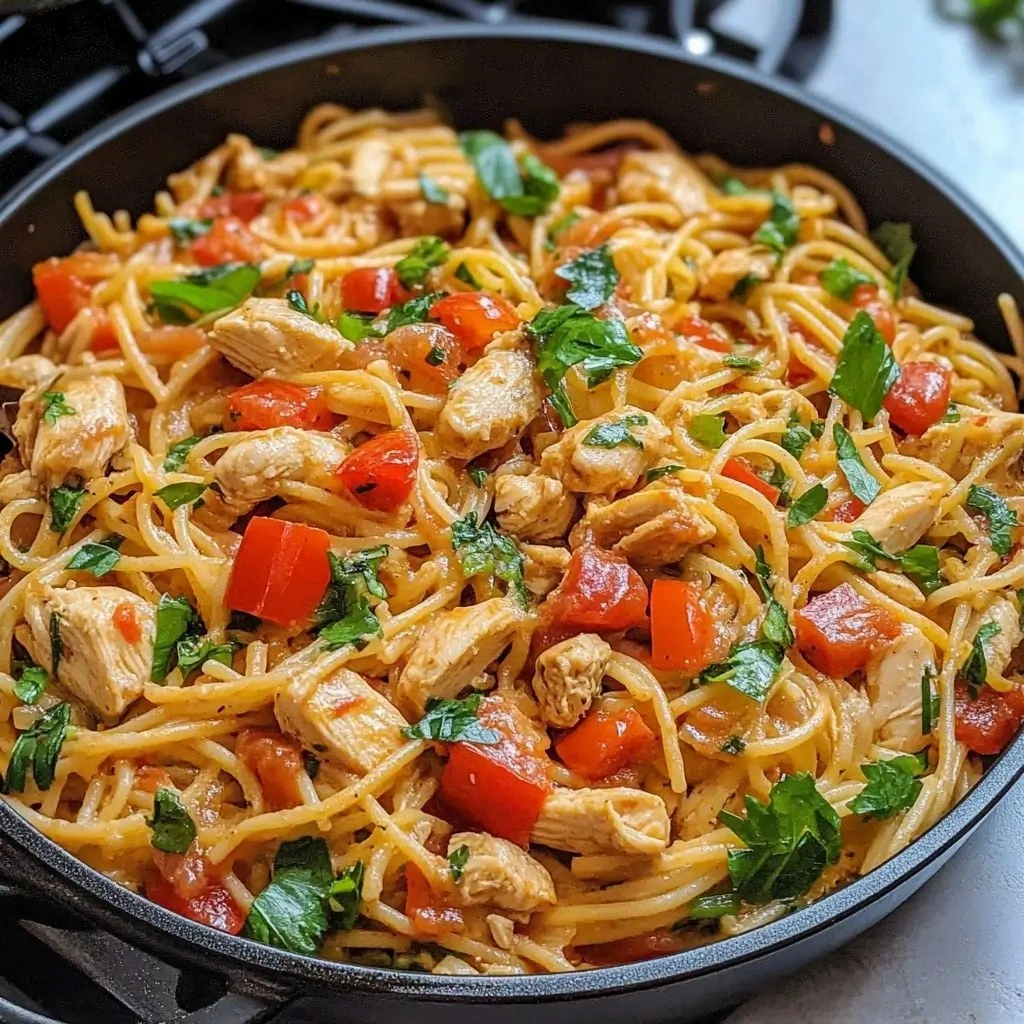
The Method — Step by Step
- Heat the pot over medium heat and add the vegetable oil. As the oil glistens, drop in the diced onion and minced garlic. Stir until the onion turns translucent and the garlic releases its fragrance, about 3 minutes. Watch for a subtle golden hue; that’s your cue that the aromatics are ready.
- Add the sliced bell pepper and continue sautéing for another 2 minutes. The pepper should soften but still retain a slight crunch. This step introduces a sweet, smoky note that balances the sauce’s richness.
- Introduce the chicken thighs, seasoning them with salt and pepper. Sear the chicken until it develops a golden crust on all sides, about 5 minutes. The seared surface locks in juices and creates a flavorful base for the sauce.
- Deglaze the pot with a splash of chicken broth, scraping up all the browned bits. These bits are packed with flavor and essential to the sauce’s depth. Let the broth reduce for 1 minute to concentrate the taste.
- Add the crushed tomatoes, soy sauce, oyster sauce, and a teaspoon of sugar. Stir until the mixture simmers gently. The sauce should begin to thicken slightly, coating the back of a spoon. This is the moment where the umami kicks in.
- Bring the mixture to a gentle boil, then reduce to a simmer. Add the spaghetti and stir to combine. The noodles should sit partially submerged in the sauce, allowing them to absorb flavors as they cook. This step takes about 8 minutes; keep a close eye to avoid overcooking.
- When the pasta is al dente, fold in the frozen peas and sprinkle the sesame oil. The peas will thaw and heat through, adding a sweet crunch. The sesame oil gives a fragrant finish that lingers on the palate.
- Reduce the heat to low and let the dish finish cooking for 2 minutes, allowing the flavors to meld. The sauce should thicken to a silky consistency that clings to each noodle strand. This final simmer is crucial for a cohesive bite.
- Turn off the heat, stir in the chopped parsley, and give the dish a final taste. Adjust seasoning with salt or pepper as needed. The dish should feel balanced, with the umami, sweetness, and acidity in harmony.
That’s it — you did it. But hold on, I've got a few more tricks that'll take this to another level. First, let the dish rest for 5 minutes before serving; the flavors will settle and intensify. Second, if you want a slightly thicker sauce, sprinkle a tablespoon of cornstarch mixed with water into the pot during the last simmer. Finally, serve with a drizzle of extra virgin olive oil and a sprinkle of freshly grated Parmesan for a gourmet finish.
Now that you’ve mastered the base, let’s dive into insider tricks that will elevate the dish even further. These are the secrets that professional cooks keep under their hats, and I’m ready to spill them.
Insider Tricks for Flawless Results
The Temperature Rule Nobody Follows
Many home cooks keep the stove on high throughout, which can scorch the sauce. I’ve found that maintaining a gentle simmer after the initial boil keeps the flavors mellow and prevents the broth from reducing too quickly. This also ensures the noodles cook evenly without sticking to the bottom. A thermometer isn’t necessary; just look for small bubbles that rise slowly to the surface.
Why Your Nose Knows Best
When the sauce is ready, it will emit a sweet, caramelized aroma that signals the flavor peak. Trust your nose; if the scent is too sharp, let it cook a bit longer. A well‑balanced sauce should smell like a warm kitchen with a hint of garlic and tomato. If it’s too acidic, a touch more sugar can bring harmony.
The 5-Minute Rest That Changes Everything
After turning off the heat, let the pot sit covered for 5 minutes. During this pause, the noodles absorb any remaining liquid, and the flavors marry into a unified profile. Skipping this step can leave the dish feeling rushed. This short rest is a small price for a richer taste.
Quick Sauce Thickening Hack
To avoid a watery sauce, whisk in a tablespoon of cornstarch dissolved in cold water during the last 2 minutes of simmering. The starch thickens the sauce without altering the taste. If you prefer a thicker sauce, double the amount, but be careful not to overdo it.
Finish with Freshness
Right before serving, drizzle a little extra virgin olive oil and sprinkle freshly grated Parmesan or nutritional yeast for a savory kick. This finishing touch adds a silky texture and a burst of umami that elevates the dish from good to great. The oil also helps the sauce cling to the pasta, ensuring every bite is coated.
Keep the Noodles from Sticking
Stir the pasta gently but frequently during the first 3 minutes of cooking. This prevents clumping and ensures each strand is evenly coated. A wide, shallow pot works best, allowing the liquid to circulate freely. If you notice sticking, add a splash of water to loosen the mixture.
Creative Twists and Variations
This recipe is a playground. Here are some of my favorite ways to switch things up:
Spicy Sriracha Kick
Stir in a tablespoon of Sriracha or your favorite hot sauce during step 6. The heat adds a fiery contrast to the sweet and savory elements. Pair it with a cooling yogurt sauce on the side to balance the spice.
Cheesy Creamy Twist
Swirl in a cup of heavy cream or coconut milk after the pasta is cooked. The cream will mellow the acidity and give the sauce a silky, luxurious feel. Top with shredded mozzarella for a melty finish.
Vegan Version
Replace the chicken with firm tofu, pressing it to remove excess moisture before browning. Use vegetable broth and tamari for the base. Add sliced mushrooms for an earthy depth that complements the tomato sauce.
Seafood Surprise
Swap the chicken for a mix of shrimp and scallops. Brown the seafood in the pot after the aromatics, then add the liquid and pasta. The seafood cooks quickly, so reduce the simmer time by 2 minutes.
Herb‑Infused Delight
Incorporate a handful of fresh basil, thyme, and oregano during the final simmer. The herbs release their oils, adding a fragrant layer that lifts the entire dish. A drizzle of balsamic glaze before serving adds a sweet acidity.
Low‑Carb Adaptation
Use spiralized zucchini or shirataki noodles in place of spaghetti. The cooking time will be shorter, so add them at the last minute. This version keeps the flavor profile while cutting carbs.
Storing and Bringing It Back to Life
Fridge Storage
Transfer the cooled dish to an airtight container and refrigerate for up to 4 days. The sauce will thicken slightly, so stir before reheating. The flavors deepen overnight, making it even more delicious.
Freezer Friendly
Pack the pasta and sauce separately in freezer‑proof containers. Freeze for up to 3 months. When ready to eat, thaw overnight in the refrigerator and reheat gently on the stove, adding a splash of broth if needed.
Best Reheating Method
Reheat the dish over low heat, stirring frequently. Add a teaspoon of water or broth to loosen the sauce. Finish with a drizzle of olive oil to restore the silky texture and prevent drying.